
KASARAGOD
 Kasaragod, the
northernmost district of Kerala, is a land of enchanting landscapes, rich heritage, and
serene coastal beauty. Nestled between the Western Ghats and the Arabian Sea, this
lesser-explored gem offers a tranquil escape from the busier tourist spots of Kerala. Known
for its majestic forts, tranquil backwaters, lush hills, and golden beaches, Kasaragod
embodies the timeless charm of Malabar — where culture, history, and nature intertwine in
perfect harmony. The region’s diverse traditions and linguistic blend of Malayalam, Tulu,
and Kannada make it a unique melting pot of Kerala’s coastal and inland cultures.
Kasaragod, the
northernmost district of Kerala, is a land of enchanting landscapes, rich heritage, and
serene coastal beauty. Nestled between the Western Ghats and the Arabian Sea, this
lesser-explored gem offers a tranquil escape from the busier tourist spots of Kerala. Known
for its majestic forts, tranquil backwaters, lush hills, and golden beaches, Kasaragod
embodies the timeless charm of Malabar — where culture, history, and nature intertwine in
perfect harmony. The region’s diverse traditions and linguistic blend of Malayalam, Tulu,
and Kannada make it a unique melting pot of Kerala’s coastal and inland cultures.
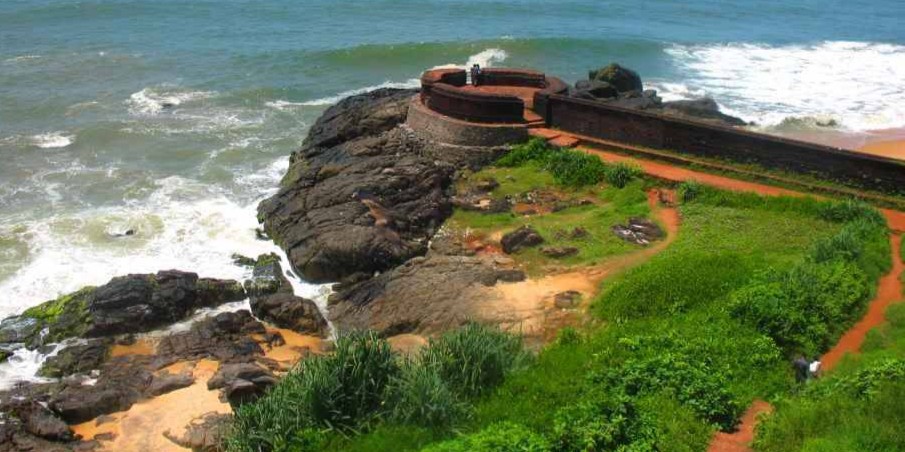
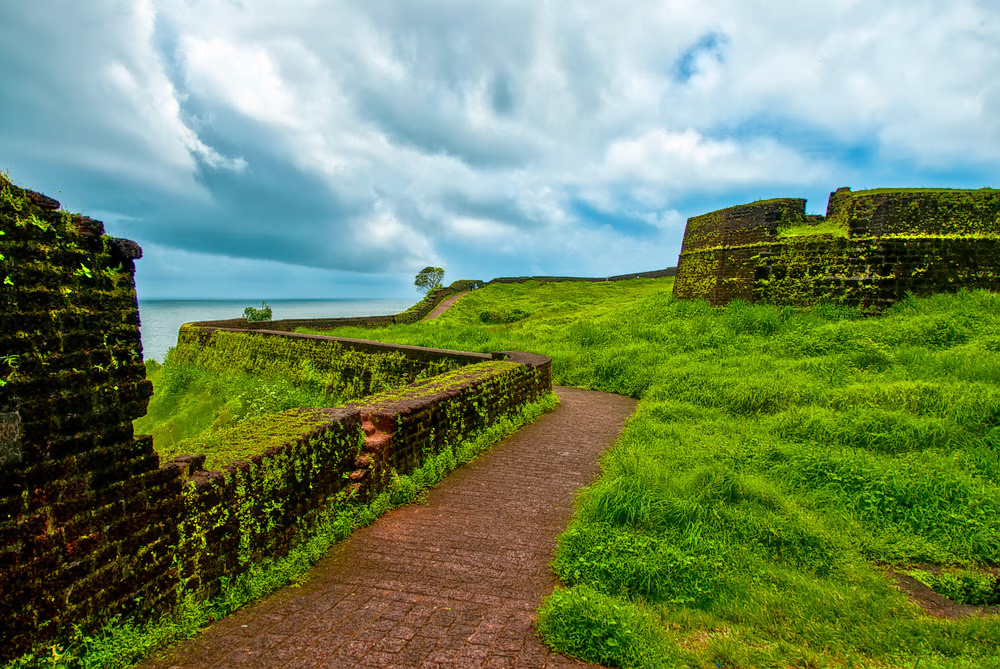
At the heart of Kasaragod’s historical allure lies the imposing Bekal Fort, one of the
largest and best-preserved forts in Kerala. Overlooking the azure waters of the Arabian Sea,
the fort’s massive laterite walls and scenic surroundings create a breathtaking sight,
especially at sunset. Nearby, the Bekal Beach and Kappil Beach offer a perfect blend of
history and relaxation, where visitors can walk along the shore, soak in the sea breeze, or
enjoy panoramic views from the fort’s observation points. Other notable landmarks include
the Chandragiri Fort, perched at the confluence of the Chandragiri River and the sea, and
the Malik Dinar Mosque, one of the oldest mosques in India, which highlights the region’s
centuries-old cultural diversity.
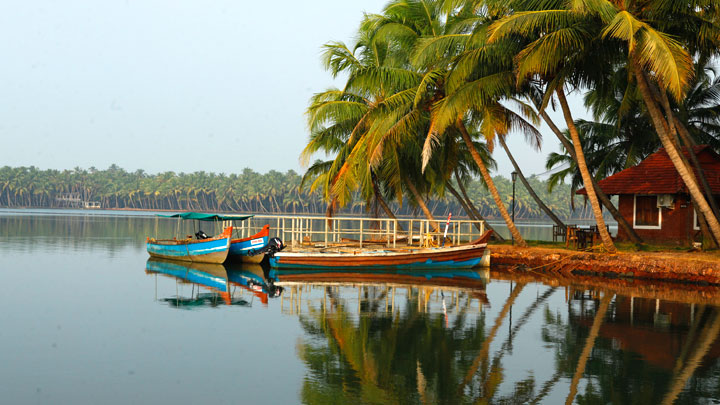
Beyond its historic and coastal beauty, Kasaragod is home to tranquil backwaters, rolling
hills, and lush plantations. The Valiyaparamba Backwaters, fed by four rivers, form a serene
network of lagoons and islands ideal for houseboat cruises and quiet retreats. The Ranipuram
Hills, often called the “Ooty of Kerala,” offer misty trails, lush greenery, and
opportunities for trekking amidst pristine nature. The Ananthapura Lake Temple, uniquely
situated in the middle of a lake, adds a mystical touch — it is said to be the original seat
of Lord Anantha Padmanabha of Thiruvananthapuram.
Kasaragod also reflects the vibrant spirit of Kerala’s folk culture. Traditional art forms
like *Theyam* and *Yakshagana* come alive in the local temples and villages, offering
glimpses into the region’s colorful rituals and storytelling traditions. The cuisine here is
equally rich, blending Malabari and coastal influences with dishes like fish curry, rice,
and coconut-based delicacies.
The best time to visit Kasaragod is from October to March, when the climate is cool and
pleasant for sightseeing and exploring its natural beauty. With its untouched charm,
historic grandeur, and warm hospitality, Kasaragod stands as Kerala’s hidden treasure — a
destination that invites travelers to slow down, explore deeply, and experience the quiet
elegance of God’s Own Country in its purest form.


DESTINATIONS